Matcha Shortage in 2025: Causes, Impact and Solutions for Matcha Lovers
By the Matcha Matcha team
Contents 5 portions
A matcha shortage in 2025: fact or exaggeration?
Where the issue started
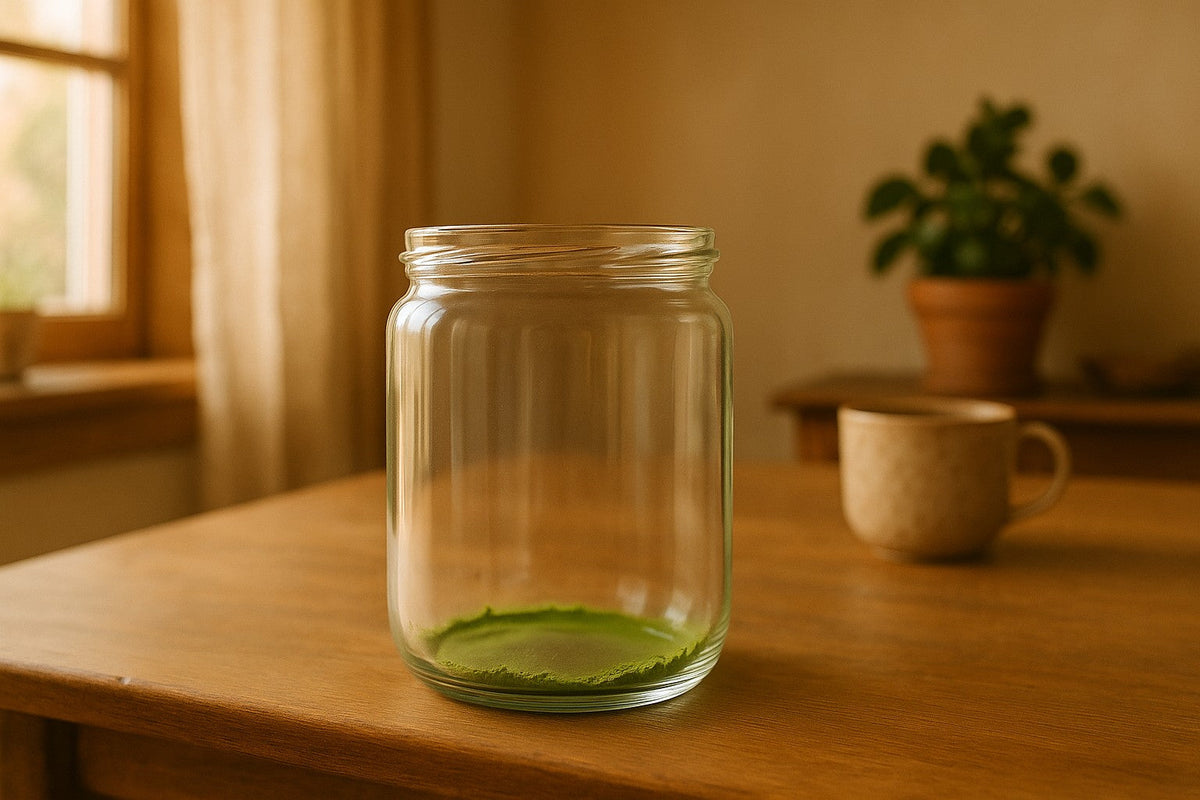
Since autumn 2024, talk of a matcha shortage has spread, fuelled by announcements from major Japanese tea houses such as Ippodo and Marukyu Koyamaen, which introduced purchase limits for the first time. The underlying reason is a global demand surge that has outpaced Japan’s production capacity.
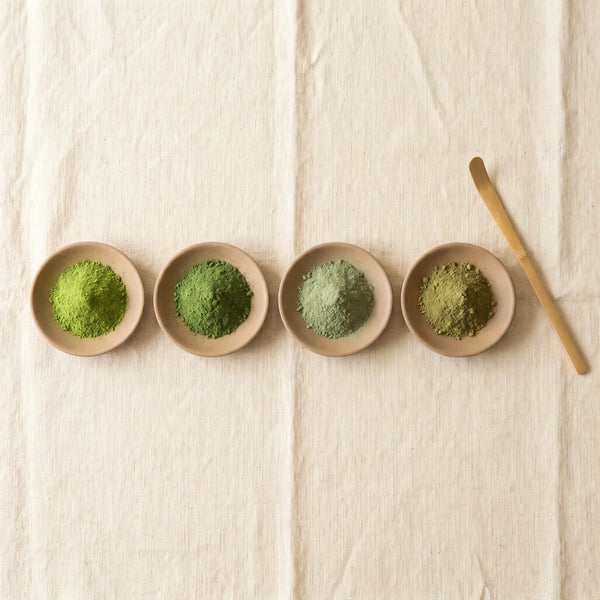
Matcha—a finely ground powder made from tencha leaves—is produced seasonally, mainly from spring harvests, which naturally limits supply. Only a small share of Japan’s overall tea production is dedicated to tencha for matcha, making it a product that can become scarce when demand spikes.
Why is demand exploding?
Several factors help explain the matcha boom:
- Health & wellbeing: rich in catechins and L-theanine, matcha is loved for antioxidant support and smooth energy without jitters.
- Social media: matcha’s vibrant green colour and photogenic aesthetic make it a star on TikTok and Instagram.
- Tourism in Japan: the post-COVID tourism rebound introduced many new consumers to matcha, especially through tea ceremonies in places like Uji.
Production challenges
Agricultural constraints
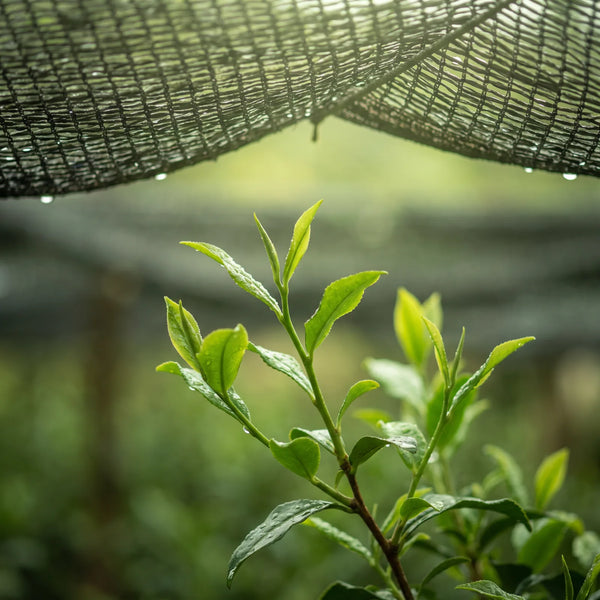
Matcha production is labour-intensive and seasonal. Tencha leaves are shade-grown to maximise chlorophyll, then harvested mainly in spring. The final milling step—often done with traditional stone mills—is slow and precise, limiting how quickly supply can scale in response to sudden demand.
In addition, climate change can disrupt harvests through unpredictable rainfall and shifting temperatures, affecting both yield and quality in regions such as Uji and Shizuoka.

Labour shortages
Japan also faces an ageing population and reduced agricultural workforce. Younger generations often move to cities, leaving fewer workers to manage tea fields and processing facilities.
Shortage factors at a glance
| Factor | Impact |
|---|---|
| Global demand | Exports take a significant share of production |
| Seasonality | Harvest concentrated in spring |
| Climate change | Lower yields and inconsistent quality |
| Labour shortages | Fewer workers for farming and processing |
| Slow milling | Precision production limits rapid scaling |
Solutions and outlook
What’s being done
Japan is taking steps to support long-term supply, with initiatives that encourage farmers to grow more tencha and invest in sustainable practices. Innovations like predictive analysis, improved irrigation, and more resilient cultivars are also being explored to mitigate climate impact.
Tips for consumers
No need to panic: the spring harvest typically helps refresh stocks seasonally. Here are smart ways to keep enjoying matcha:
- Buy wisely: choose trusted sources for quality and traceability—like our organic ceremonial matcha.
- Store it well: keep matcha cool and away from light to preserve freshness.
- Check local options: specialty shops and cafés may carry supply from smaller producers.
To make a café-style matcha latte at home, follow our step-by-step tutorial.
Impact on price and quality
Tight supply can lead to price increases, especially for ceremonial-grade matcha. During periods of high demand, lower-quality powders also tend to flood the market—making it even more important to choose reliable, transparent sources.
The future of matcha
The idea of a matcha shortage is both a warning sign and an opportunity to rethink production. While other countries are starting to produce matcha, Japan remains the reference for premium quality. Supporting responsible producers and consuming thoughtfully helps protect this centuries-old craft.
In the meantime, enjoy each cup with intention. Visit our homepage to explore our products and recipes, and share your creations with #matchalatte.