Japanese Art and Culture: A Rich Heritage of Tradition and Innovation
By the Matcha Matcha team
Contents 7 portions
For centuries, Japan has blended ancient tradition with cutting-edge innovation, creating a culture that’s as refined as it is vibrant. From zen gardens to modern manga, every art form reflects a deep philosophy and a love of balance. Step into the fascinating world of Japanese art—from its origins to its contemporary expressions.
Discover Japan, a country where ancestral traditions meet modern innovation. Japanese art—rich in history and contrast—embodies this captivating duality. Explore with us the many facets of Japanese culture and art across the centuries.
Reading time: 8 minutes
A brief history of Japanese culture
Japanese culture traces its roots back to the Jōmon period (14,000–300 BCE), known for cord-marked pottery. With the arrival of Buddhism in the 6th century, Japan adopted Chinese and Korean arts while adapting these influences to its own aesthetic. The Heian (794–1185) and Kamakura (1185–1333) eras saw the rise of poetry, calligraphy, and Zen Buddhism. During the Edo period (1603–1868), under Tokugawa peace, popular arts, theatre, and Ukiyo-e prints flourished—laying foundations for modern Japanese culture.
Shinto, Buddhist, and Confucian philosophies shaped core values such as respect for nature, simplicity, and harmony. These principles still guide Japanese art today—whether in the tea ceremony or architectural design.
Traditional Japanese arts
Ikebana: meditative flower arranging
Ikebana emerged in the 6th century from floral offerings in Buddhist temples. More than a bouquet, it plays with balance between stems, blooms, and negative space—symbolising heaven, humanity, and earth. The Ikenobō, Sōgetsu, and Ohara schools offer varied styles, from formal to contemporary, making Ikebana a living, meditative art.

Origami: the magic of folding
Origami transforms a single sheet of paper into delicate creations—without cutting or glue. Symbolic shapes (crane, lotus) express wishes for peace and long life. The paper crane, in particular, became an icon of peace after Hiroshima. Today, origami blends precision, patience, and creativity, and can be found in architectural structures and large-scale art installations.
Ukiyo-e: prints of the “floating world”
Born in the Edo era, Ukiyo-e prints captured geishas, sumo wrestlers, landscapes, and city scenes. Masters like Hokusai and Hiroshige popularised these images worldwide. Hokusai’s Great Wave off Kanagawa embodies the power of nature and life’s impermanence—capturing a tension between energy and serenity.
Performing arts
Noh theatre: spiritual drama
Noh (14th century) blends chant, dance, and music in a slow, stylised ritual. Carved wooden masks worn by the lead actor convey emotion and myth. Noh explores impermanence and the spirit world, offering a uniquely contemplative experience.
Kabuki theatre: bold, spectacular storytelling
Kabuki, born in the 17th century, captivates with lavish sets, striking makeup, and dynamic choreography. Tales of love and revenge are performed by male actors, who also play female roles (onnagata). Its energy—and direct connection with audiences—makes it a living art form that remains popular today.

Zen aesthetics and philosophies
Wabi-Sabi: the beauty of imperfection
Wabi-Sabi celebrates simplicity and authenticity, valuing cracks, patina, and natural materials. Present in ceramics, architecture, and design, it reminds us that every object—and every moment—is unique and fleeting.
Tea ceremony (Chanoyu)
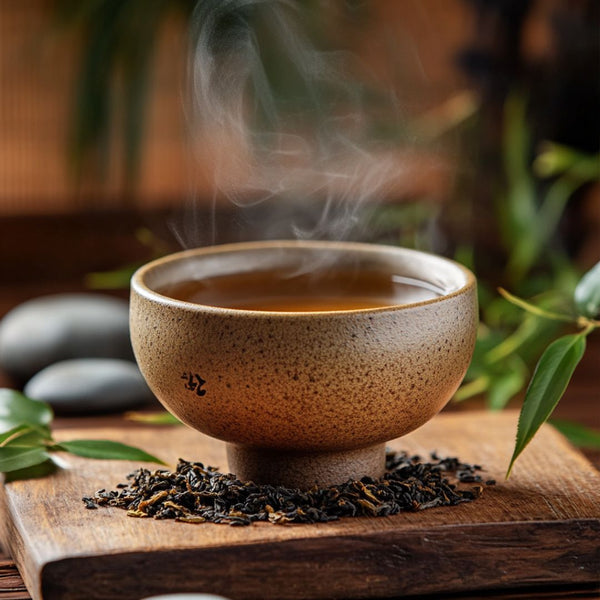
Chanoyu is a codified ritual centred on preparing and drinking matcha. Every gesture—from how utensils are placed to the way you sip—embodies harmony, respect, and purity. This zen ritual invites mindfulness and a return to the present moment.

Contemporary Japanese art
Manga and animation
Manga and anime have become global cultural icons. From “Astro Boy” to “Your Name”, these works explore everything from sci-fi to romance and drama, with boundless visual creativity. They reflect Japanese society while inspiring generations of artists worldwide.
Modern architecture
Architects like Tadao Ando and Shigeru Ban combine concrete, wood, and natural light to create minimalist, sustainable spaces. Their works—churches, museums, pavilions—showcase harmony between tradition and avant-garde design.
Design and fashion
Japanese design—from Muji to Issey Miyake—stands out for its clean, functional aesthetics. Creators blend innovative materials with artisan techniques to unite comfort, durability, and elegance.
Quick overview of major art forms
| Art form | Period | Key characteristic |
|---|---|---|
| Ikebana | 6th century | Minimalist floral composition |
| Origami | Heian era | Symbolic paper folding |
| Ukiyo-e | 16th–19th centuries | Prints of the “floating world” |
| Noh | 14th century | Masked, meditative theatre |
| Kabuki | 17th century | Vibrant, dramatic spectacle |
| Manga/Anime | 20th–21st centuries | Comics and animation |
| Modern architecture | 20th–21st centuries | Minimalism and innovation |
Conclusion
From Ikebana to contemporary architecture, Japanese art reveals a constant search for harmony between nature and modernity. This multifaceted culture invites contemplation, creativity, and serenity. To extend the experience, explore our matcha selection on Matcha Matcha and make this centuries-old ritual part of your own daily routine.