Green Tea and High Blood Pressure: What Are the Benefits for Your Blood Pressure?
By the Matcha Matcha team
Contents 7 portions
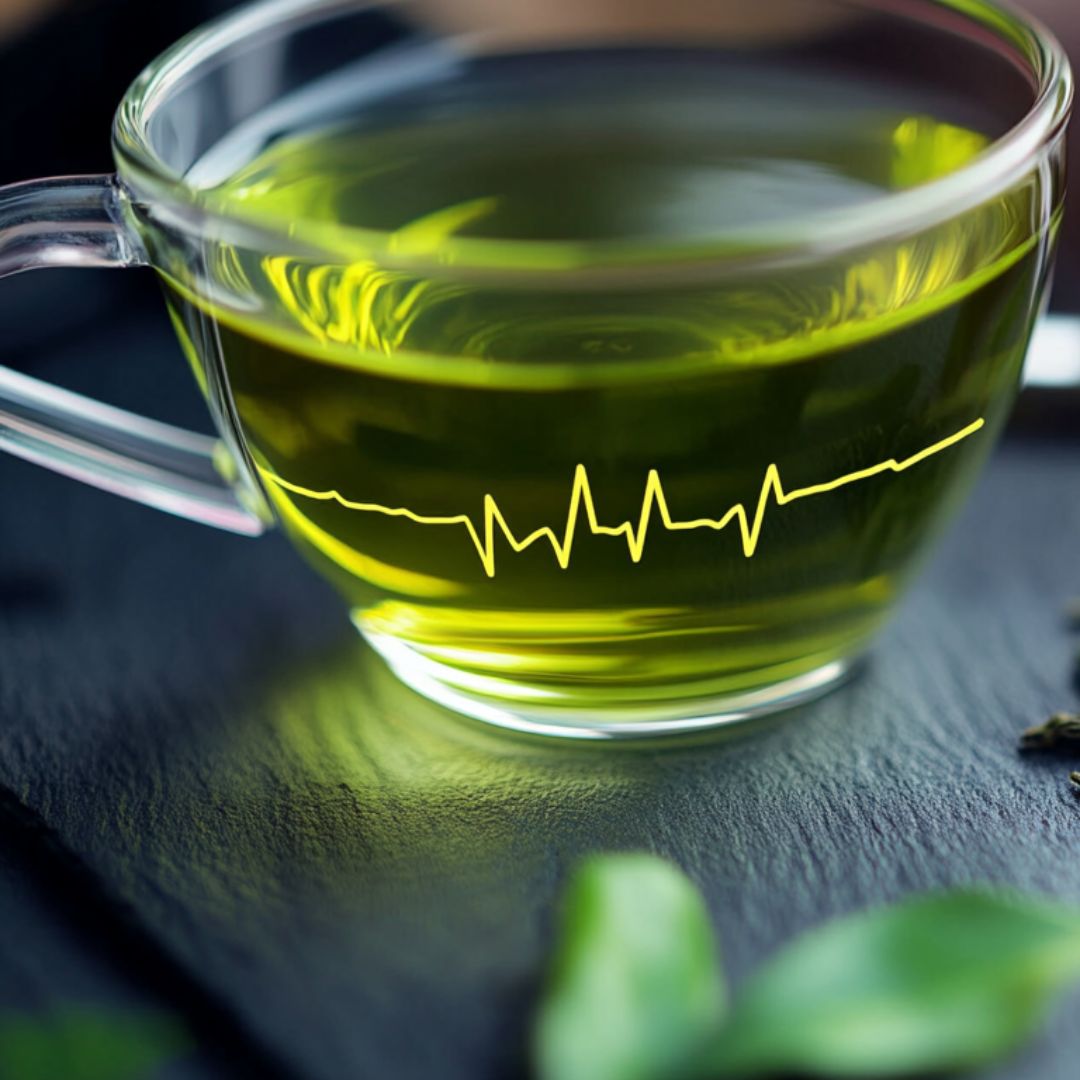
Green tea is widely known for its antioxidant benefits, and it may also play a role in supporting healthy blood pressure as part of a balanced lifestyle. Thanks to catechins (including EGCG), potential vascular effects, and a mild diuretic action from caffeine, green tea is often studied for cardiovascular support. Below, we explain the mechanisms, what research suggests, and practical tips to include it in your routine.
Reading time: 13 minutes
What is high blood pressure?
High blood pressure (hypertension) is commonly defined as an average systolic pressure ≥ 140 mmHg and/or diastolic pressure ≥ 90 mmHg. Over time, this extra pressure can strain blood vessels and increase cardiovascular risk. It’s often “silent,” which is why regular monitoring and medical guidance are important.
Causes and risk factors
Genetics and lifestyle
Family history matters, but hypertension is often influenced by a high-salt diet, excess weight, smoking, low activity levels, and chronic stress. Poor habits can turn borderline blood pressure into sustained hypertension.
Age, hormones, and comorbidities
With age, arteries can lose elasticity. Hormonal changes (including menopause) may increase risk. Diabetes and high cholesterol are also major contributing factors.
How can green tea support blood pressure?
1. Catechins (including EGCG)
Green tea catechins—especially EGCG—are studied for their role in supporting the endothelium (the inner lining of blood vessels) against oxidative stress. They may also support nitric oxide availability, which is associated with healthy vessel function and circulation.
2. Potential vasodilatory effects
Some green tea flavonoids may help relax blood vessel walls, which can support healthy blood flow.
3. Supporting healthy LDL balance
Green tea is often studied in relation to LDL cholesterol and oxidation. Supporting healthy cholesterol balance can be beneficial for overall cardiovascular wellness.
4. Mild diuretic effect
Its moderate caffeine content can act as a gentle diuretic for some people, supporting the elimination of excess water and sodium—two factors often discussed in blood pressure management.
5. Anti-inflammatory support
Chronic inflammation is associated with vascular health. Green tea polyphenols are widely studied for their role in supporting a healthy inflammatory response.
Comparison with other herbal teas often used for blood pressure routines
| Infusion | Key compounds | Typical reputation |
|---|---|---|
| Green tea | Catechins, EGCG | Moderate to strong |
| Hibiscus | Anthocyanins | Often considered strong |
| Rooibos | Unique polyphenols | Mild to moderate |
| Oolong tea | Theanine, flavonoids | Moderate |
What does research suggest?
British Journal of Nutrition (2014)
A meta-analysis reported that daily green tea intake over about 12 weeks was associated with small reductions in systolic and diastolic blood pressure in people with mild hypertension.
American Journal of Clinical Nutrition (2015)
Several observational findings have linked higher green tea consumption to lower cardiovascular risk, potentially due to combined effects on cholesterol, vessel function, and oxidative stress support.
Other findings
Some studies suggest improvements in endothelial function can appear within a few weeks, though results vary depending on dose, population, and lifestyle factors.
How to drink green tea
Recommended number of cups
For routine benefits, many people aim for 2–3 cups per day, split between morning and mid-afternoon. If you’re caffeine sensitive, avoid late-day cups.
Best brewing method
Steep 2 g of tea (about 1 tsp) in 200 ml of water at 75–80°C for around 3 minutes. This helps preserve catechins while keeping bitterness low.

Practical tips
- Enjoy it plain, or add a squeeze of lemon (many people love the taste and freshness).
- Choose organic tea when possible to reduce pesticide exposure.
- Alternate with hibiscus or rooibos to vary your routine and caffeine intake.
Precautions
If you take blood pressure medication, speak with your healthcare professional before significantly increasing your intake. Green tea can complement a healthy lifestyle but does not replace medical treatment.