Coffee alternatives: the best options
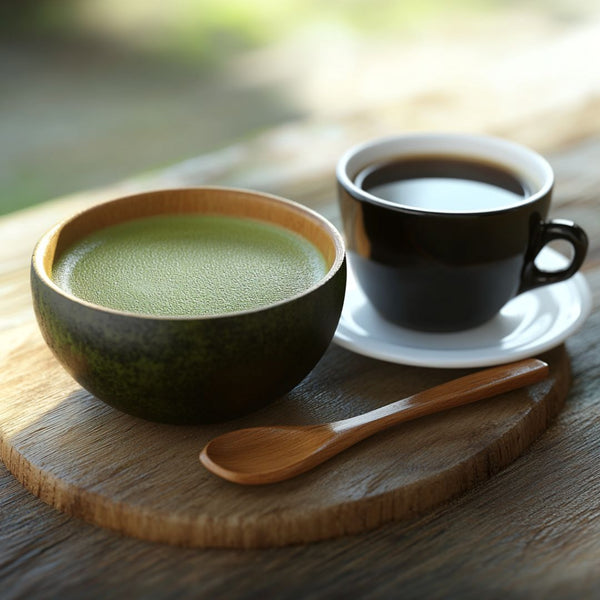
To replace coffee, matcha is the closest option: a hot drink that contains caffeine. Rooibos is a good choice if you want to avoid it.
By the Matcha Matcha team
Contents 6 portions

Looking for a healthier alternative to coffee to avoid jitters and energy crashes? Many natural drinks can offer a steady boost without the typical downsides of coffee. In this article, we review the best options, explain how to prepare them, and share practical tips to fit them into your routine.
Looking for an alternative to coffee to avoid jitters and energy slumps? Discover natural drinks for a steady boost — without coffee’s usual side effects.
Reading time: 8 minutes
Why consider an alternative to coffee?
Coffee delivers a fast effect thanks to its high caffeine content, but it can also lead to palpitations, anxiety, and energy crashes once the effect wears off. Its acidity may also feel harsh on sensitive stomachs.
By choosing more natural drinks, you can enjoy energy that feels smoother, more stable, and often richer in supportive compounds — without relying on the additives found in many industrial energy drinks.

Matcha: calm, long-lasting energy
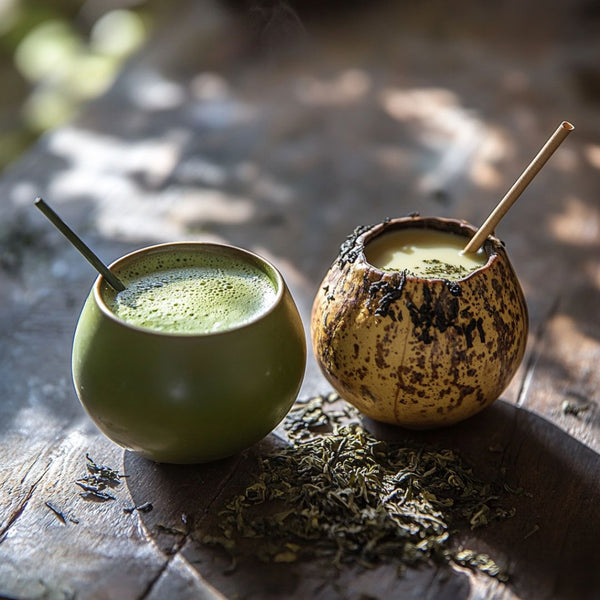
Matcha is a fine powder made from green tea leaves. It combines moderate caffeine with L-theanine, an amino acid often associated with a calmer, more focused feeling. This pairing can help energy feel more gradual, without the sharp spikes and drops many people experience with coffee.
Plus, matcha contains catechins, antioxidant compounds that support your body’s natural balance — a great addition to a daily routine.
Best way to prepare it
- Usucha: 1 g matcha + 60 ml water at ~70°C, whisked for 30 seconds for a quick, pure drink. - Matcha latte: add 150 ml warm plant milk plus a pinch of vanilla, cinnamon, or both.
Natural alternatives to matcha
1. Yerba mate
Yerba mate, a South American infusion, contains caffeine and theobromine for steady energy and gentle stimulation, often perceived as less “nervy” than coffee.
2. Chai tea
Combining black tea and warming spices (ginger, cinnamon, cardamom), chai feels energising and cosy. As a chai latte, it becomes a creamy, uplifting drink.
3. Golden latte
Made with turmeric and plant milk, a golden latte is caffeine-free and often enjoyed for its comforting, anti-inflammatory reputation — especially later in the day.
4. Rooibos
Rooibos is naturally caffeine-free and rich in polyphenols. As a latte, it makes a relaxing break without the risk of insomnia.
5. Ginger-lemon juice
Ginger and lemon can feel invigorating in the morning, thanks to hydration, vitamin C, and ginger’s warming kick.
6. Raw cacao
Rich in theobromine and magnesium, raw cacao can support mood and focus without the sharpness of coffee. Try it as a latte for a comforting effect.
Comparison table
| Drink | Caffeine | Other active compounds | Typical effect |
|---|---|---|---|
| Matcha (1 g) | 30 mg | L-theanine | Calm energy, focus |
| Yerba mate | 80 mg | Theobromine | Gentle stimulation, alertness |
| Chai tea | 40 mg | Spices | Warming, uplifting |
| Golden latte | 0 mg | Curcumin | Comforting |
| Rooibos | 0 mg | Polyphenols | Relaxing |
| Lemon-ginger juice | 0 mg | Vitamin C | Hydration, vitality |
| Raw cacao | 10 mg | Theobromine | Wellbeing, focus |
Practical tips
- Test your dosage (0.5–1 g for matcha) to assess tolerance. - Rotate drinks depending on the time of day and your needs (matcha in the morning, golden latte in the evening). - Choose organic, unsweetened versions whenever possible.

Conclusion
Matcha is one of the most balanced natural energy drinks, thanks to its caffeine/L-theanine synergy. To switch things up, try yerba mate, chai, golden latte, or raw cacao. Each can give you a boost without the classic coffee side effects.