Is Matcha an Aphrodisiac? Breaking Down Its Effects on Libido and Vitality
By the Matcha Matcha team
Contents 9 portions
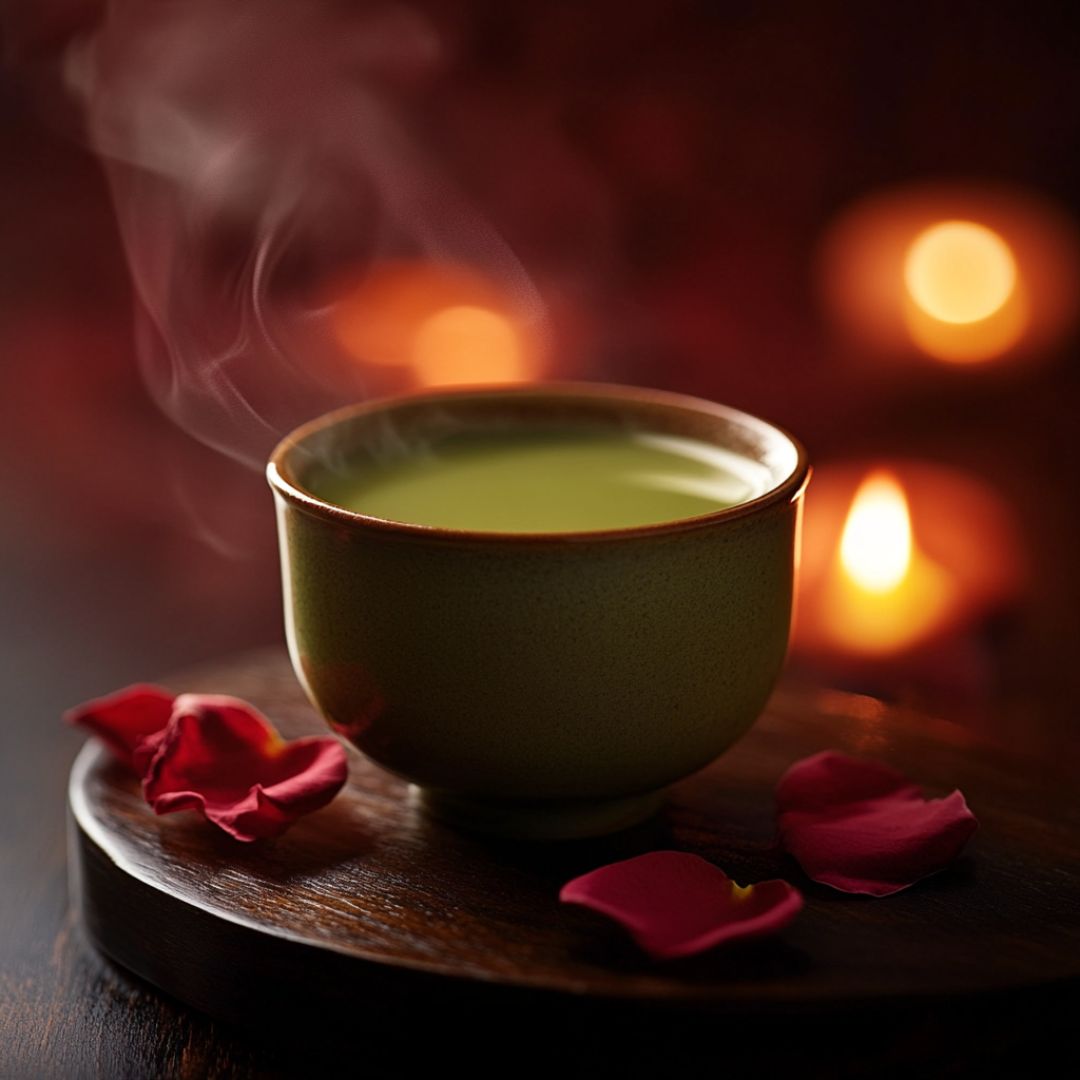
Matcha—Japan’s powdered green tea—is celebrated for its antioxidant power, clean energy, and overall sense of wellbeing. Long at the heart of Zen tea ceremonies, it now sparks a curious question: could it also work as a natural aphrodisiac? In this article, we explore matcha’s origins, its unique composition, and the mechanisms that may (indirectly) support sexual vitality and libido.
Reading time: 11 minutes
Matcha composition & benefits
Matcha is made from tencha tea leaves grown in the shade, which helps concentrate chlorophyll and key nutrients. A 1 g serving provides roughly 30 mg of caffeine, 20 mg of L-theanine, and around 100 mg of catechins (EGCG), along with vitamins A, C, E, magnesium, and iron. This synergy supports long-lasting energy and powerful antioxidant properties.
Catechins help protect cells from oxidative stress, caffeine supports alertness without a harsh crash, and L-theanine promotes mental calm. Together, these effects can create a sense of overall wellbeing—often a helpful foundation for better intimate energy.
Aphrodisiacs: definitions & traditions
An aphrodisiac is a substance believed to stimulate sexual desire, improve performance, or increase libido. In Japanese herbal traditions, ingredients like ginger or ginseng were used to support vigour. Around the world, cinnamon, dark chocolate, and maca are often cited for their stimulating reputation.
While matcha isn’t traditionally listed as a “classic” aphrodisiac, its effects on circulation, energy, and relaxation make its potential role in intimate vitality worth exploring.
Supportive biological mechanisms
1. Optimised blood flow
Matcha catechins may support nitric oxide production—a natural vasodilator. Better blood flow can improve oxygen delivery, a key factor in sexual performance for both men and women.
2. Progressive energy & endurance
The caffeine/L-theanine combination provides a more gradual energy release with fewer jitters. That physical and mental endurance can support longer, more satisfying intimate moments.
3. Stress reduction & relaxation
L-theanine supports alpha brain waves, associated with calm focus. By helping reduce stress—a common libido blocker—matcha may indirectly support desire.
Comparison with other natural aphrodisiacs
| Ingredient | How it may work | Potential benefit |
|---|---|---|
| Matcha | Vasodilation, steady energy | Stress reduction |
| Ginseng | Adaptogen, hormonal support | Physical vigour |
| Maca | Hormonal balance | Sexual stamina |
| Dark chocolate | PEA, anandamide | Pleasure & relaxation |
Studies & real-world observations
No study has examined matcha specifically as an aphrodisiac, but research on caffeine, green tea catechins, and L-theanine suggests benefits for endothelial function, stress markers, and mental clarity. Better cardiovascular health and a calmer mindset are widely recognised as supportive factors for libido.
Studies on L-theanine also suggest improvements in sleep and focus—two important pillars of a satisfying sex life.
How to drink matcha to support vitality
1. Traditional matcha
Whisk 1 g of matcha with 70 ml water at 75 °C for about 30 seconds. This pure preparation supports absorption of catechins and caffeine.
2. Energising smoothie
Blend 1 g matcha, 150 ml plant-based milk, a banana, and a few spinach leaves for a nutrient-rich boost—ideal before an intimate moment.
3. Creamy latte
Make a matcha latte with 150 ml almond milk and a pinch of cardamom for a warm, subtly stimulating aroma.

Precautions & contraindications
Enjoy matcha in moderation (1–2 g/day). Avoid drinking it after 4 pm if you’re sensitive to caffeine. People with heart conditions, anxiety, or pregnancy should consult a healthcare professional before increasing intake.
Tips to enhance the “aphrodisiac” context
- Regular movement to support circulation.
- Breathing techniques and meditation to reduce stress.
- A diet rich in omega-3 and zinc (fish, nuts).
Conclusion
While matcha isn’t a traditional aphrodisiac, its effects on circulation, steady energy, and stress management can create a favourable context for libido. Used thoughtfully, it can support your intimate vitality—while delivering matcha’s classic wellbeing benefits. To discover our premium matcha, visit Matcha Matcha.